

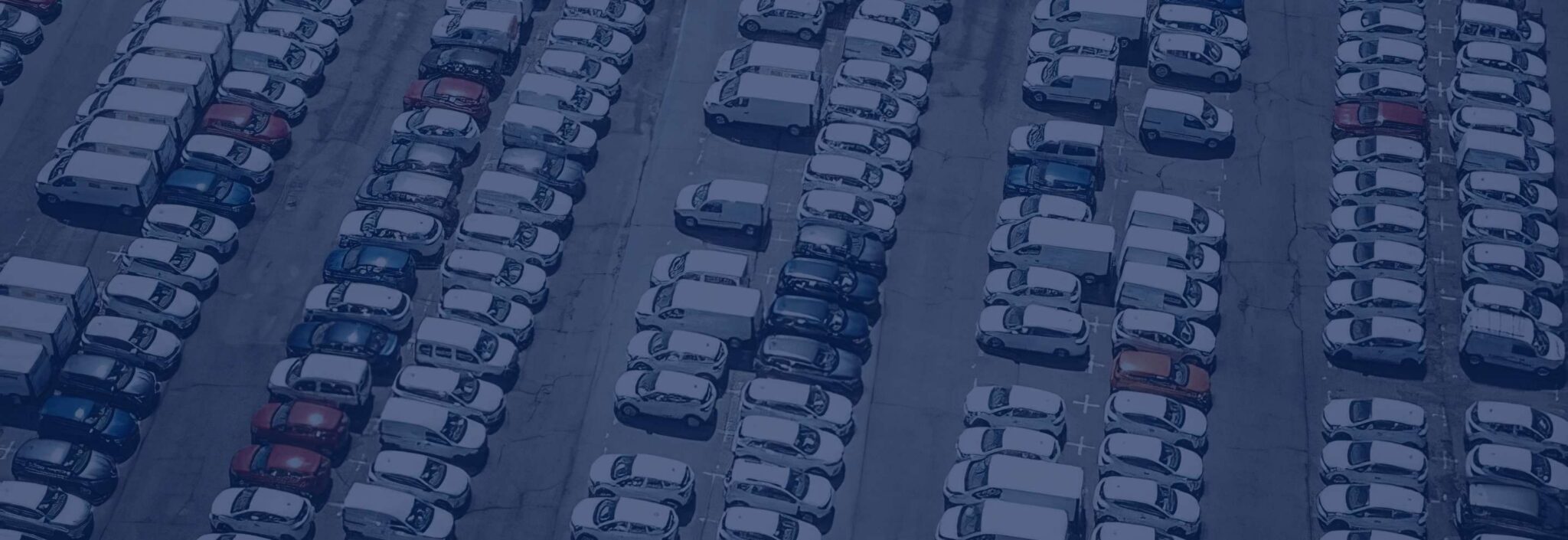
Every vehicle sitting on a repo lot represents capital that is not moving. Every additional day a vehicle remains in storage reduces available capacity, delays the next stage of the remarketing process, and creates operational drag throughout the business. The most successful repo operations understand that vehicle movement is not just a transportation issue. It is a business performance issue. Improving repo vehicle transport processes creates faster turnover, stronger cash flow, and a more efficient operation from end to end.
Why Vehicle Turn Time Drives Repo Lot Profitability
Every vehicle that enters a repo lot is occupying space, consuming resources, and waiting for the next step in its lifecycle. The longer that process takes, the more expensive it becomes.
For many operators, improving profitability starts with reducing the amount of time vehicles spend sitting idle. In fact, faster vehicle turn times directly increase repo lot profitability because they create more capacity, improve cash flow, and allow lots to process more vehicles without physically expanding operations.
When vehicle movement slows, profitability slows with it.
The Hidden Costs of Manual Transport Management
Many repo operations still rely on a mix of phone calls, spreadsheets, emails, and individual carrier relationships to coordinate vehicle movement.
These processes may seem manageable on a small scale, but they often become significant bottlenecks as volume grows. Teams spend valuable time tracking updates, chasing carriers, and managing information across multiple systems rather than focusing on operational performance.
Common challenges include:
- Delays caused by manual carrier coordination
- Limited transportation capacity during peak periods
- Lack of visibility into shipment status and delivery timelines
Over time, those inefficiencies add up and begin impacting the entire operation.
How Lot Congestion Creates Bigger Problems
A crowded repo lot creates more than a space issue.
When vehicles remain on-site longer than necessary, they slow down recovery workflows, reduce available storage capacity, and increase administrative workload. What begins as a transport delay often grows into a larger operational challenge.
Many operators discover that lot delays create hidden costs throughout the recovery process, affecting everything from staffing efficiency to remarketing timelines.
Lot congestion rarely happens because too many vehicles arrive. More often, it happens because vehicles are not leaving quickly enough.
Consistent Vehicle Flow Creates Operational Efficiency
High-performing repo operations focus on maintaining consistent flow rather than simply managing inventory.
When vehicles move quickly through the system, teams can process more recoveries, maintain healthier lot utilization, and improve overall operational performance. That consistency also helps remove the peaks and valleys that create staffing and workflow challenges.
Many recovery businesses have found that maximizing repo lot space starts with faster vehicle turnover, not necessarily expanding physical capacity.
The goal is not simply storing vehicles. The goal is moving them efficiently through every stage of the process.
How Technology Improves Repo Lot Operations
Technology has become one of the most effective ways to improve repo lot inventory management and reduce transport-related delays.
Instead of coordinating shipments manually, modern logistics platforms give operators a centralized system for managing transportation activities. This creates greater visibility while reducing administrative burden on internal teams.
For many operators, automation has become a practical solution for improving repo lot efficiency because it removes many of the repetitive tasks that slow transportation workflows.
As volume increases, those efficiencies become even more valuable.
How RunBuggy Helps Repo Lots Build Better Transport Operations
RunBuggy provides repo operators with a centralized transportation platform designed to simplify vehicle movement.
Rather than relying on fragmented processes and limited carrier relationships, operators gain access to a nationwide network of transporters along with automated status updates and centralized shipment management.
This allows teams to:
- Access transportation capacity when needed
- Manage shipments through a single platform
- Reduce manual coordination and follow-up
Many organizations using vehicle transport solutions built specifically for repo operations are able to move vehicles faster while improving overall operational visibility.
The result is a smoother workflow and a more scalable operation.
Preparing for the Q4 Recovery Surge
Q4 often brings increased activity across the recovery and remarketing industry. Higher volumes can create significant pressure on repo lots that rely on manual transportation processes.
Operators who wait until peak season arrives to address logistics challenges often find themselves competing for limited capacity while managing growing inventory levels.
The strongest operations prepare before the surge arrives by building transportation infrastructure in advance.
Repo Operations: Reactive vs. High-Performance Transport Management
| Area | Reactive Approach | High-Performance Approach |
| Carrier Access | Limited carrier network | Nationwide on-demand capacity |
| Shipment Visibility | Phone calls and spreadsheets | Centralized shipment management |
| Vehicle Turn Time | Inconsistent | Faster and more predictable |
| Lot Utilization | Congestion and bottlenecks | Continuous vehicle flow |
| Peak Season Readiness | Reactive | Prepared and scalable |
Establishing reliable transport processes before Q4 helps position repo operations to move more vehicles without creating additional strain on staff or lot capacity.
Making Transportation a Competitive Advantage
The most profitable repo lots understand that transportation is not just a support function. It is part of the operational infrastructure that drives performance.
Faster vehicle movement improves capacity. Better visibility improves decision-making. Consistent transportation access helps prevent bottlenecks before they develop.
Organizations that focus on building efficient repo vehicle transport operations place themselves in a stronger position to handle growth, improve customer outcomes, and maximize profitability.
RunBuggy helps make that possible by providing the technology, carrier access, and operational visibility needed to keep vehicles moving and lots performing at a higher level.
Learn more and get started today at runbuggy.com/repos.
FAQs
Why is vehicle turn time important for repo lot profitability?
Vehicle turn time directly impacts cash flow, lot capacity, and operational efficiency. Faster turnover allows repo lots to process more vehicles and generate stronger returns.
How can repo lots reduce hold time?
Repo lots can reduce hold time by improving transportation processes, increasing carrier access, and using centralized management tools to eliminate delays.
What causes repo lot congestion?
Lot congestion typically occurs when vehicles remain on-site longer than necessary due to transportation delays, limited carrier availability, or inefficient workflows.
How does RunBuggy help repo lot operators?
RunBuggy provides nationwide carrier access, centralized shipment management, automated updates, and operational visibility that help repo lots move vehicles faster and operate more efficiently.