
A dealer trade is a transaction where one dealership acquires a vehicle from another dealership to meet a customer need or balance inventory. Instead of losing a sale because a…
A dealer trade is a transaction where one dealership acquires a vehicle from another dealership to meet a customer need or balance inventory. Instead of losing a sale because a…

One of the most common questions repo lot owners and recovery operators ask is: How much does repo vehicle transport cost? The answer is that repo transport cost depends on…
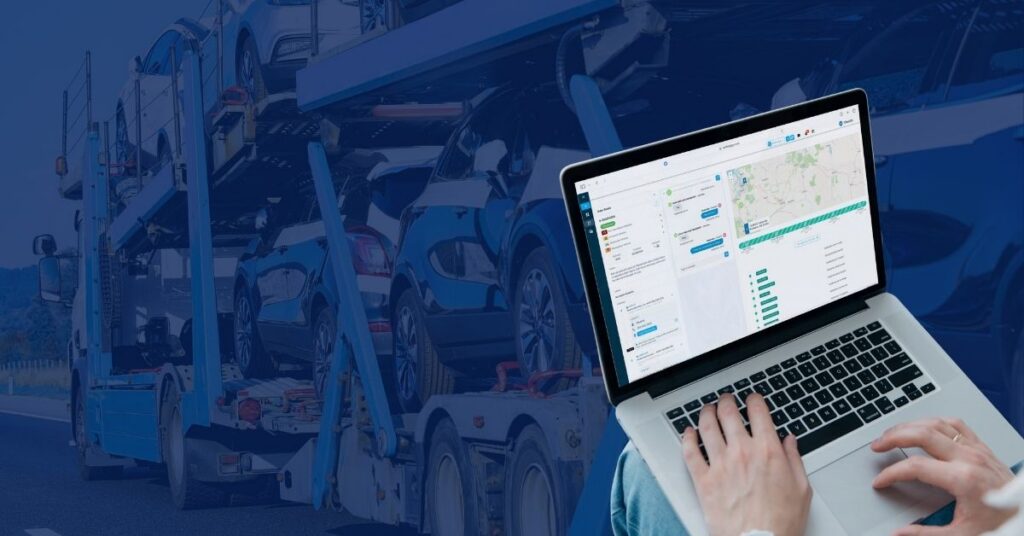
Automotive logistics is the process of managing how vehicles move between locations throughout the automotive supply chain. For dealerships, auctions, OEMs, fleet operators, lenders, and remarketing companies, automotive logistics plays…

Q4 is shaping up to be one of the most important inventory management periods of the year for Ford dealers. As off-lease vehicles return to the market, dealerships will face…

For Hyundai dealerships, inventory is only valuable when customers can buy it. That may sound obvious, but many dealerships still treat logistics as a back-office function rather than a driver…

Every vehicle sitting on a repo lot represents capital that is not moving. Every additional day a vehicle remains in storage reduces available capacity, delays the next stage of the…

The automotive businesses outperforming their competition today often have one thing in common: a better automotive logistics platform and infrastructure. Whether you’re managing dealership vehicle transport, auction vehicle transport, OEM…

Not all vehicle transport is created equal. While most cars move successfully via standard methods, high-value vehicles require a different level of care, protection, and coordination. For dealerships, collectors, and…

In today’s competitive retail environment, dealership performance depends on one critical factor: inventory velocity. Vehicles that move quickly through your pipeline—from acquisition to front-line availability—create more opportunities for sales teams…

Global finance companies operate in highly controlled environments where security, governance, and operational consistency are non-negotiable. Every platform must align with internal identity standards, cybersecurity policies, and identity lifecycle management processes — especially when…

© 2026 RunBuggy.