

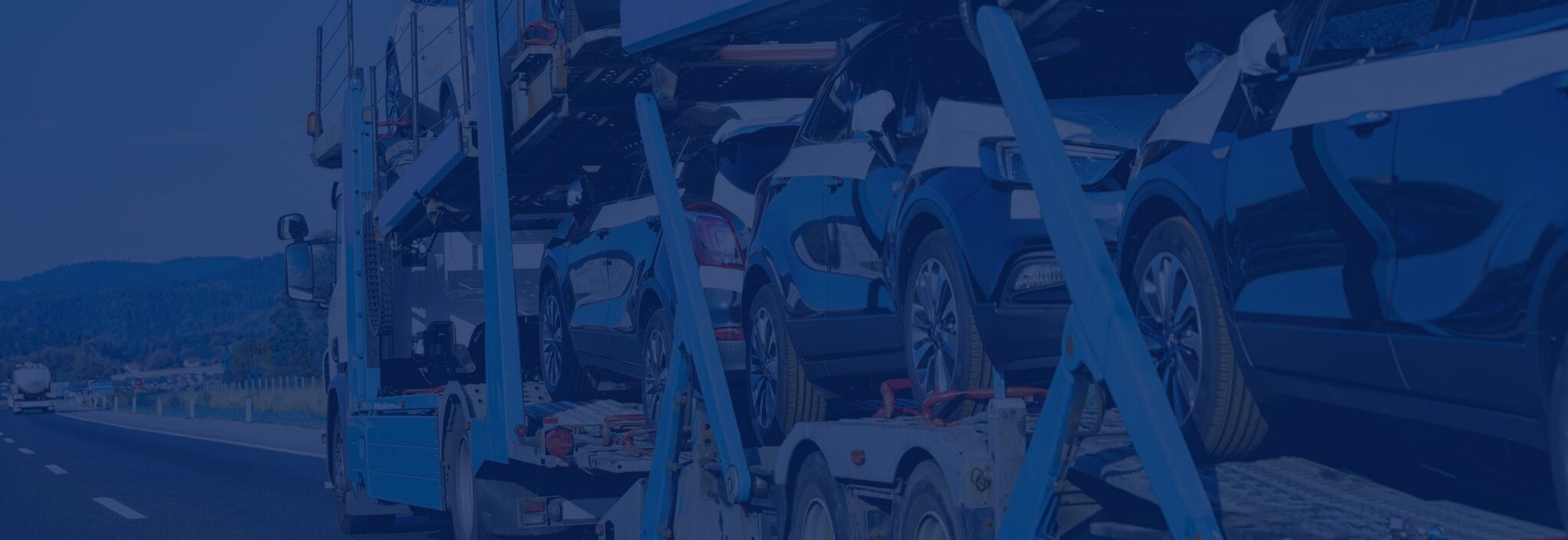
Automotive logistics is the process of managing how vehicles move between locations throughout the automotive supply chain. For dealerships, auctions, OEMs, fleet operators, lenders, and remarketing companies, automotive logistics plays a direct role in inventory availability, operational efficiency, customer satisfaction, and revenue generation.
At scale, vehicle movement is not simply a transportation function. It is a business performance function. The organizations that move vehicles efficiently are often the ones that create stronger inventory velocity, better customer experiences, and higher profitability.
What Does Automotive Logistics Include?
When most people hear the term “vehicle logistics,” they think about arranging transportation. In reality, automotive logistics includes every step required to move vehicles efficiently from origin to destination.
Core logistics activities include:
- Carrier sourcing and capacity management
- Dispatch and shipment coordination
- Shipment visibility and status communication
- Documentation and compliance management
- Payment and settlement processing
As shipment volume grows, each of these areas becomes increasingly difficult to manage through manual processes alone.
How Do Dealerships Use Automotive Logistics?
For dealerships, automotive logistics directly impacts sales performance.
Whether inventory is being acquired from auction, transferred between rooftops, or delivered to customers, transportation speed influences how quickly vehicles become available to sell. A vehicle sitting at auction or waiting on a dealer trade cannot generate revenue.
Many dealer groups have found that centralizing dealership vehicle transport across auction purchases, dealer trades, and customer deliveries helps reduce delays and improve inventory availability.
Dealerships that prioritize transportation efficiency often create more opportunities for their sales teams simply because inventory reaches the lot faster.
How Do Auctions Depend on Vehicle Logistics?
For auctions, transportation is closely tied to lot turnover and buyer satisfaction.
Once a vehicle sells, the clock starts ticking. The faster that unit leaves the lot, the faster space can be freed for incoming inventory. Delays create congestion, slow operations, and reduce overall throughput.
Auction vehicle transport supports buyer pickups, dealer purchases, lot clearance initiatives, and inventory redistribution. Efficient transportation helps auctions maintain operational flow while improving the customer experience for buyers.
What Is Finished Vehicle Logistics for OEMs?
One of the most common questions in the automotive industry is:
What is finished vehicle logistics?
Finished vehicle logistics refers to the movement of completed vehicles from manufacturing and distribution facilities to dealerships, ports, storage centers, and other final destinations.
For OEMs, logistics is an extension of the distribution network. Transportation performance impacts dealer inventory levels, launch schedules, vehicle availability, and customer satisfaction. Delays anywhere in the process can create challenges throughout the supply chain.
That is why OEMs invest heavily in planning, visibility, and transportation capacity management.
How Do Fleet Operators Use Vehicle Logistics?
Fleet operators depend on transportation to keep assets productive.
Vehicles frequently move between markets, branches, operational locations, and remarketing channels. Transportation supports everything from fleet rotations and redeployment to vehicle disposition and remarketing activity.
The goal is simple: maximize utilization while minimizing unnecessary downtime.
Without efficient logistics, fleet operators lose flexibility and often experience higher operational costs.
How Do Repo and Remarketing Operations Move Vehicles?
In the recovery and remarketing space, transportation directly impacts lot capacity, turnaround times, and proceeds.
Recovered vehicles often need to move quickly from storage facilities to auctions and remarketing channels. Every additional day a vehicle remains on a lot affects cash flow and operational efficiency.
Organizations focused on repo and remarketing performance increasingly recognize that transportation is one of the biggest drivers of turn time and profitability. As you’ll see in our upcoming deep dive on repo operations, vehicle movement often determines how efficiently lots can process inventory and maintain available space.
What Common Problems Slow Shippers Down?
Despite advances in technology, many organizations still rely on fragmented processes to manage vehicle movement.
Common operational challenges include:
- Manual carrier coordination through phone calls and emails
- Limited visibility into shipment progress
- Inconsistent transportation capacity during high-volume periods
- Multiple systems being used across departments and locations
Individually, these issues may seem manageable. Combined, they can slow inventory movement, increase labor demands, and reduce overall business performance.
Organizations looking to improve transportation performance often start by evaluating how technology can help move vehicles faster and improve operational performance across the entire logistics process.
How Does a Vehicle Logistics Platform Solve These Problems?
As transportation volume increases, managing logistics through disconnected systems becomes increasingly difficult.
A modern vehicle logistics platform centralizes carrier access, shipment management, visibility, and communication into one environment. Instead of coordinating transportation through multiple tools and workflows, teams gain a single source of truth.
A platform like RunBuggy helps organizations address common challenges through:
- Nationwide carrier network access
- Automated status updates at key shipping milestones
- Centralized management across locations and rooftops
- One platform for every move type
The result is stronger visibility, fewer manual processes, and better operational control.
Many organizations also discover that centralized logistics management creates significant operational advantages across inventory, customer delivery, and auction transportation workflows, especially when managing multiple transportation priorities simultaneously.
How Do Logistics Needs Differ Across Automotive Segments?
| Segment | Primary Logistics Need | Typical Move Types |
| Dealerships | Inventory velocity | Auction purchases, dealer trades, customer deliveries |
| Auctions | Lot turnover | Buyer transportation, inventory clearance |
| OEMs | Finished vehicle distribution | Dealer allocation, vehicle distribution |
| Fleet Operators | Asset utilization | Rotations, redeployment, repositioning |
| Repo & Remarketing | Turn time and proceeds | Recovery transport, auction movement |
Although each segment has different operational goals, all of them depend on reliable vehicle movement.
Why Should Shippers Prepare for Busy Periods Before They Arrive?
Transportation demands often increase during seasonal sales cycles, year-end activity, fleet transitions, and major inventory events.
Organizations that wait until vehicle volume increases to evaluate logistics processes often encounter capacity challenges, visibility issues, and operational slowdowns at exactly the wrong time.
The strongest shippers prepare early by building transportation infrastructure before volume arrives. That means establishing carrier access, implementing centralized workflows, and creating visibility across transportation operations before peak demand begins.
As additional Q4 campaign content is published, topics such as Hyundai dealer logistics, Ford Direct inventory movement, and repo operation efficiency will expand on how specific automotive segments prepare for high-volume transportation periods.
Why Has Automotive Logistics Become a Competitive Advantage?
Automotive logistics has evolved far beyond simply arranging transportation.
Today, transportation affects inventory velocity, cash flow, customer experience, lot utilization, and profitability. Organizations that manage logistics efficiently often see benefits throughout the entire business because vehicles spend less time waiting and more time creating value.
Many dealerships have already discovered that faster vehicle logistics helps create more selling opportunities and stronger inventory performance by reducing delays that limit customer access to available inventory.
As expectations continue to rise across the automotive industry, logistics performance increasingly separates average operators from high-performing ones.
RunBuggy helps organizations address these challenges by combining carrier access, visibility, automated updates, and transportation management into one centralized platform designed to support vehicle movement at scale.
FAQs
What is vehicle logistics?
Vehicle logistics is the coordination and management of vehicle transportation, including carrier sourcing, dispatch, visibility, documentation, and delivery.
What is finished vehicle logistics?
Finished vehicle logistics refers to moving completed vehicles from manufacturing and distribution facilities to dealerships, ports, storage yards, and other destinations.
What does a vehicle logistics company do?
A vehicle logistics company helps manage transportation by sourcing carriers, coordinating shipments, providing visibility, handling documentation, and supporting the movement of vehicles throughout the supply chain.
How do dealers ship cars between locations?
Dealers typically use vehicle logistics platforms and transportation providers to coordinate dealer trades, auction purchases, customer deliveries, and inventory transfers between locations.
Why is automotive logistics important?
Automotive logistics directly impacts inventory availability, customer satisfaction, operational efficiency, and profitability by ensuring vehicles move efficiently throughout the supply chain.